Loading...
Background

Natural Mineral Waters

For Health & Wholeness

Water so rich in minerals sourced from protected underground aquifers.

Subscription Health & Wellbeing

Our Blog

Latest Blog & News

Plastic pollution and why its a problem

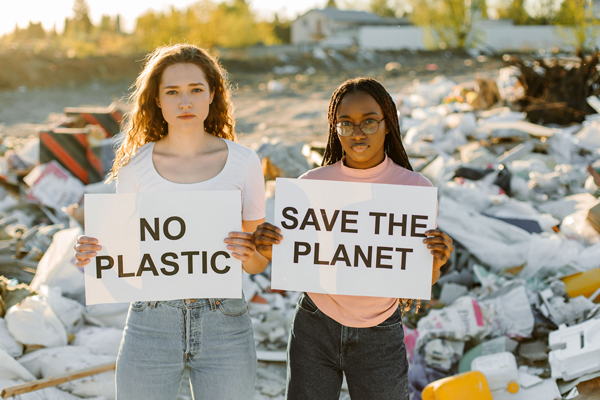
Plastic is a useful everyday item but has grown to become a global problem. Every year the world produces over 460 million tonnes of plastic, 90% of which pollutes almost all areas of our planet, it can be found at the bottom of the ocean, and on our tallest mountains. This pollution can cause harm to habitats and wildlife, impact livelihoods of people around the globe, and carries growing risks to human health.

At the current rate, global plastic pollution could triple by 2040 unless we act now. We need everyone everywhere to take action on plastic, and most importantly, global coalitions like the UN to approve a plastics treaty that would require all countries to take action on this significant problem.
Find Out More
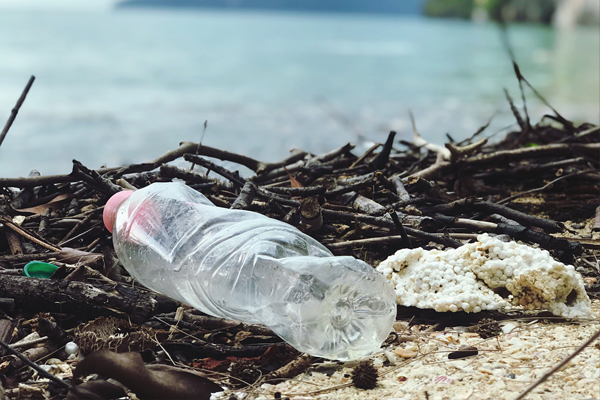
Ocean Plastic Pollution Explained Nearly half of the plastic sinks directly because of its low buoyancy. Of the other half which floats, our research shows most of it doesn't go far out in the ocean - about 80% of floating plastic will beach on a coastline within a month of leaking into the ocean. Some objects may be washed out to sea again, but coastlines are the final resting place for most floating ocean plastic. This can have serious consequences for the coastal environment and the fishing and tourism industries, as well as high cleanup costs for coastal communities.

If we take a PET bottle as an example; it is likely to sink as it fills up with water, but the cap, which is made of different type of plastic (HDPE), will stay afloat for much longer. High-density polyethylene (HDPE) products are most likely to travel long distances.

Find Out More
Jan 12 2025
Water Pollution

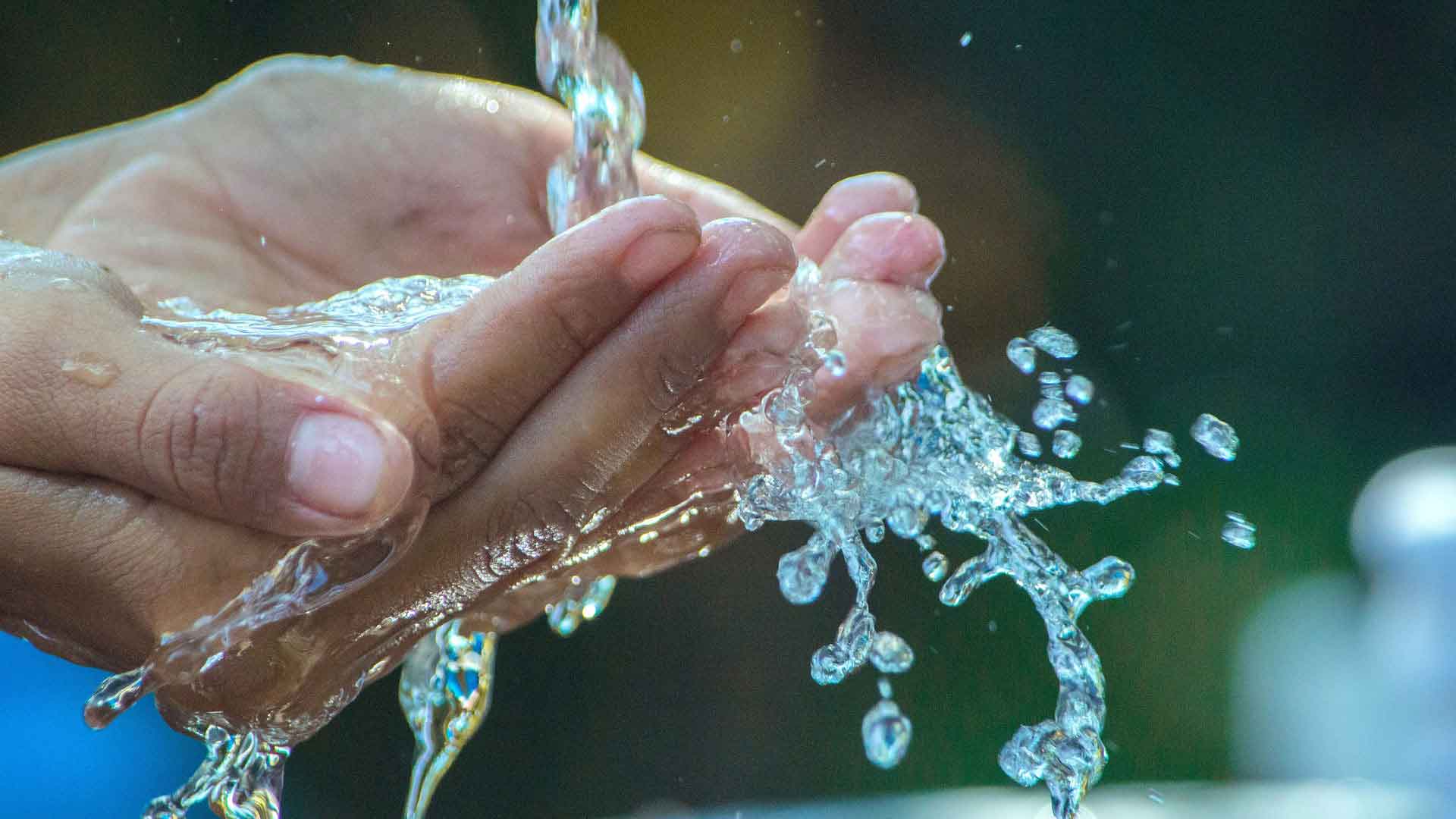
Water is essential for life on Earth. It supports biological functions and is vital to the health of humans and ecosystems alike. For some organisms, water makes up 90% of their body weight. Up to 60% of an adult human's mass is water. Water also covers 71% of Earth's surface. It is so essential for life as we know it that it is the first thing astrobiologists look for when seeking life on other planets. However, pollution can make water dangerous if it's not cleaned up.

Where does pollution come from? Sometimes pollution can originate from a single, defined source. This is known as point-source pollution. For example, wastewater treatment plants can produce point-source pollution. Around 80% of wastewater enters the environment untreated. This number jumps to over 95% for some low-income countries. Wastewater encourages the growth of germs, like bacteria, viruses and parasites, that can cause illness in humans.

Find Out More